Manufacturing experience
A career spanning quality assurance, manufacturing engineering, Lean and operational excellence at GE Healthcare and Cytiva.
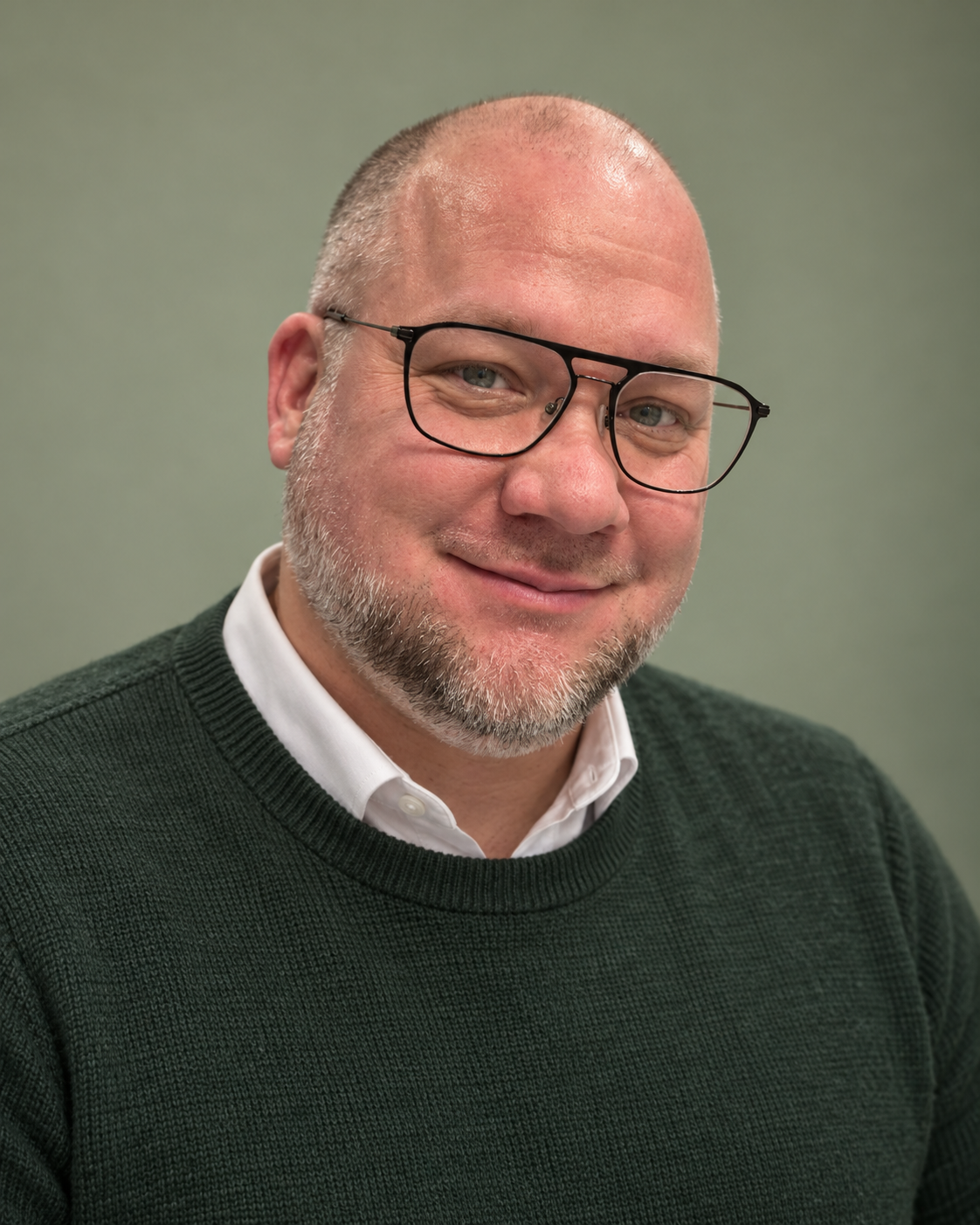
ANDREAS PARMENT · UMEÅ, SWEDEN
I work with leadership, Lean and business systems in manufacturing. I help teams improve how they work and use technology to solve operational problems.
EXPERIENCE BUILT AT
CytivaGE HealthCareIMPACT & EXPERIENCE
A career spanning quality assurance, manufacturing engineering, Lean and operational excellence at GE Healthcare and Cytiva.
Leadership coaching, daily management and structured problem solving that connect strategic priorities with everyday work.
Danaher Business System, Six Sigma Black Belt and leadership development, combined with hands-on digital and automation work.
Cytiva · Umeå, Sweden
I lead the development of the site’s Danaher Business System. My work includes coaching leaders, strategy deployment, daily management and problem solving across manufacturing and support functions.
INDEPENDENT DEVELOPMENT & APP PUBLISHING
I have been developing Lean apps in my own time since 2012. These projects are independent of my employers.

I developed and published Lean Tools on Google Play in 2012. It was among the early Lean apps available for Android.

In 2026 I published TaktPilot and TaktBoard on Google Play under TaktSuite. The apps support Lean improvement work and visual production control.
PROFESSIONAL DEVELOPMENT
Six Sigma Black Belt
Lean Academy Graduate
GE Crotonville Leadership & Executive Development
CORE PRACTICE
Danaher Business System · Lean · Hoshin Kanri
Daily Management · Leadership Development
Agentic AI · Intelligent Automation
LANGUAGES
Swedish · Native
English · Fluent
French · Basic / German · Beginner
LEADERSHIP PHILOSOPHY
Improvement needs time in the working day, clear responsibilities and leaders who follow up.
I coach leaders and teams in daily management and problem solving. I want people to understand the work, recognise problems and have the skills and support to act on them.
Develop leaders, coach teams and create the conditions for ownership.
Connect strategy, daily management and structured problem solving.
Use AI and automation for tasks where they save time or improve the information people work with.
SELECTED WORK · INDEPENDENT PROJECT
I develop TaktPilot and TaktBoard in my own time. They draw on my experience of Lean and manufacturing, and both are available on Google Play.
Visit TaktSuitePERSPECTIVES
Some thoughts on leadership, improvement work and technology in manufacturing.
Solving the problem yourself can teach people to wait for you.
I pay attention to what happens when someone raises a problem. If I explain it away, defend the process or give the answer, I may resolve the immediate issue. I may also teach the team to wait for me next time.
I want to understand what happened at the process before deciding what to do. What was expected? What actually happened? What has the team already tried? That gives us something to coach from.
Clear expectations still matter. A missed target needs facts, an owner and a next step. It also needs a check that the team has the time, authority and support to act.
The easy part to lose is returning. If I ask for an experiment but never come back to look at the result, I have taught the team something too. What I follow up tells people which work deserves their attention.
A green action tracker can hide a process that has already slipped back.
A Kaizen event creates time and attention that are hard to find during a normal week. People can test changes together and resolve problems that have been passed between functions.
After the report-out, the conditions change. Production pressure returns. Another shift takes over. An experienced operator is absent. This is where we find out whether the method works without the people who designed it standing beside the process.
I check whether people use the method, whether it makes the work more reliable and whether the expected effect shows up in the process and the KPI. An approved standard and a closed action do not answer those questions.
When the result slips, I want to understand why. Training may be missing, the method may be too complicated or a dependency may still be unresolved. Those are different problems. Asking the team to comply harder will not fix all three.
Count the checking and correction before calling it a time saving.
I would start with a task people already understand. Searching for information, comparing documents or preparing material can be useful places to look. Put a small first version in the hands of the person doing the work and compare it with the current method.
Measure the whole task. A draft produced in seconds can still take longer overall if someone has to check every line, repair the output and explain the errors. The relevant question is whether the work reaches a usable result sooner.
Keep the target, baseline and owner clear. Test under normal conditions, adjust and look for repeatability before scaling. Access, confidentiality and responsibility for decisions need to be settled as part of that work.
I also want to know why the task exists. If we can remove a handover or improve the source information, we may solve the problem before we need AI. A quick win is more useful when we understand why it worked and can reuse that knowledge elsewhere.
If every improvement is a strategic priority, the strategy is not helping us choose.
Strategy can look clear in a presentation while the improvement funnel keeps growing. We end up with more projects than capacity and a plausible strategic link attached to each one.
I want the connection to be specific. Which performance gap are we closing? What should change in the process? What would we expect to see before the final KPI moves? If we cannot explain that, the activity may be useful, but its contribution to the priority is still an assumption.
The funnel should help us choose and sequence the work around constraints. The process owner owns the result. Business system support can coach and provide structure, but taking over that ownership makes the improvement dependent on the support function.
Some problems belong with the team because they affect today's flow. Others need site-level attention because they cross functions. Calling everything strategic blurs that distinction and competes for the same limited resources.
BEYOND WORK
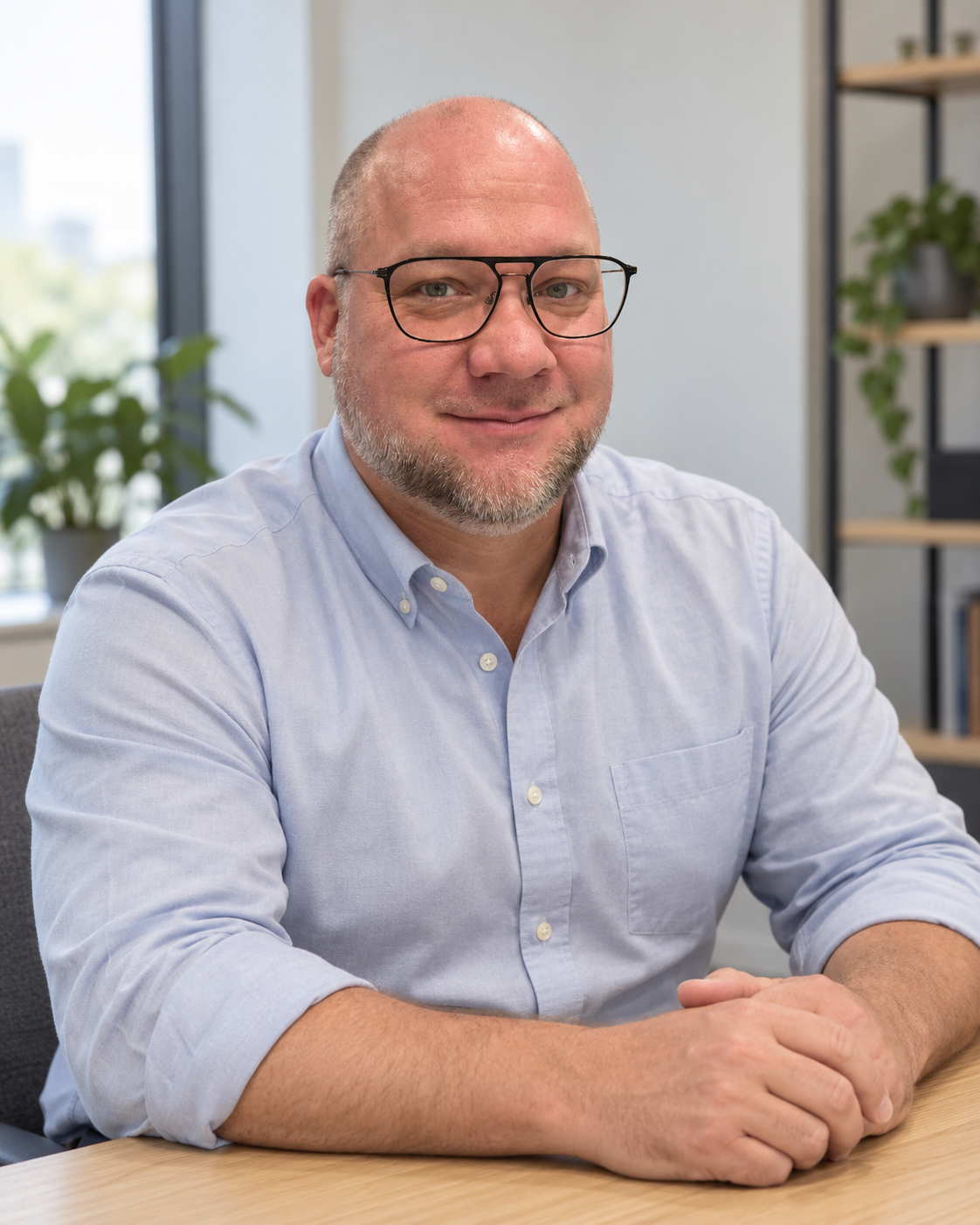
Based in Umeå, in northern Sweden. Away from work, you’ll often find me playing guitar, lifting weights, planning the next trip or making something in my smart home work a little better.
I enjoy programming and home automation, and I usually have a project on the go.
CONNECT
Want to talk about leadership, Lean or technology in manufacturing? Send me a message on LinkedIn or by email.